
Oct 7, 2026
Rural Broadband Marketing: Reaching Distrustful Communities
Stop promising. Start proving. How ISPs earn trust in skeptical rural communities.
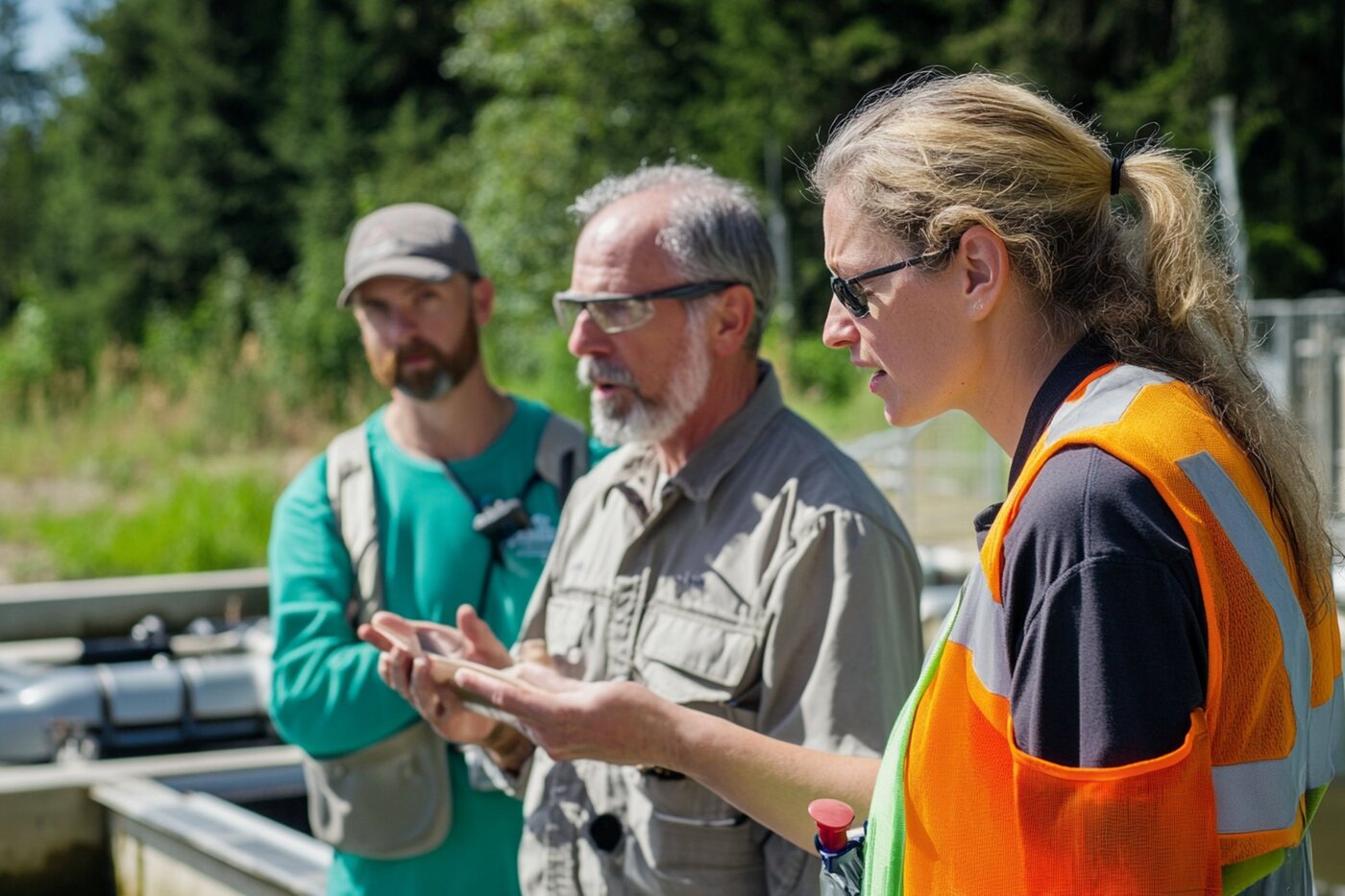
TL;DR: Rural communities have heard broadband promises before, often from providers who never delivered. ISPs expanding into these markets need a marketing approach built on transparency, consistency, and local credibility, not speed claims and promo pricing. BroadEngagement helps ISPs automate trust-building communication at every stage of the subscriber lifecycle, from the first local landing page to ongoing engagement that proves the service matches the promise.
Why Rural Broadband Marketing Is Different
Selling fiber in a suburban expansion zone and marketing broadband in a rural community that has been underserved for a decade are two fundamentally different challenges. In the suburbs, you're competing on price, speed, and features. In rural markets, you're competing against something harder to beat: skepticism.
Many of these communities have watched broadband grants get announced and nothing happen. They've seen coverage maps that claim service exists where it doesn't. They've been promised fast internet by providers who showed up, collected sign-ups, and then deprioritized the area when the economics got difficult.
That history creates a barrier that no amount of "1 Gig for $49.99" advertising can overcome. The pain point for ISPs entering these markets isn't awareness. It's trust. And trust isn't built through a single campaign. It's built through consistent, honest engagement that starts before the first subscriber signs up and continues long after installation.
This is where ISP marketing, subscriber onboarding, and lifecycle communication intersect. An ISP that automates transparent, localized touchpoints across the entire customer journey will earn credibility in communities where flashy advertising falls flat.
1. Understand What Distrust Actually Looks Like
Before you can address distrust, you need to recognize how it shows up. In rural broadband markets, skepticism doesn't always present as hostility. More often, it looks like:
- Low response rates to advertising, even when the offer is strong.
- High "I'll believe it when I see it" sentiment at community meetings.
- Reluctance to pre-register or commit before construction is visible.
- A tendency to rely on word-of-mouth over any official marketing material.
- Social media comments questioning whether the buildout will actually happen.
These aren't irrational reactions. They're learned behaviors from years of unmet promises. Recognizing this context is the first step toward building a marketing strategy that actually works in these communities.
2. Lead With Proof, Not Promises
The single most important shift ISPs can make in rural markets is to lead with evidence instead of aspirational messaging.
That means replacing "coming soon" language with specifics. Instead of "Fiber is coming to your area," say "Construction started on County Road 12 on March 3." Instead of "speeds up to 1 Gig," share a screenshot or testimonial from a neighbor two miles down the road who already has the service.
Proof-based messaging includes:
- Construction update emails with photos, timelines, and named streets or neighborhoods.
- Video testimonials from early subscribers in the same community.
- Social media posts showing real crews, real equipment, and real progress.
- A public timeline on a branded landing page that gets updated regularly.
BroadEngagement's landing page builder lets ISPs create community-specific pages where residents can track buildout progress, see available plans, and sign up when service reaches their area. When that page is connected to an automated email sequence, every new registrant gets regular updates, not silence.
Silence is what broke trust in the first place. Consistent communication is what rebuilds it.
3. Make the First 90 Days About Relationship, Not Revenue
In most markets, the first 30 to 90 days of the subscriber lifecycle are about onboarding, adoption, and upselling. In distrustful rural communities, those first 90 days need a different emphasis: proving that the service works and that you're not going anywhere.
This doesn't mean you can't onboard or introduce premium features. It means the tone and timing need to prioritize reassurance over revenue.
A trust-first onboarding sequence for rural subscribers might look like this:
- Day 0: Welcome email. Thank the subscriber by name, confirm their plan and installation date, and include local support contact information. No upsell. No promo.
- Day 3: Setup confirmation. Ask if everything is running smoothly. Provide a direct line to a real person, not a support form.
- Day 7: Feature introduction. Introduce one helpful feature (like Wi-Fi management or parental controls) with a short, practical explanation.
- Day 14: Community connection. Share a story about how the service is benefiting another local household or business. Reinforce that the ISP is invested in the community.
- Day 30: Check-in and feedback. Send an NPS survey or simple satisfaction question. Make it clear you want honest input.
BroadEngagement's automated email journeys handle this sequence without manual effort. Each touchpoint can be personalized by subscriber name, plan, and location, and the entire flow triggers automatically when a new account is created in the CRM.
The goal is simple: by the time you introduce an upgrade offer at day 60 or 90, the subscriber already trusts that your company delivers on what it says.
4. Segment by Community, Not Just by Plan
Rural markets are not monolithic. A farming community 30 miles from the nearest city has different concerns and communication preferences than a rural resort town or a tribal reservation. Treating all rural subscribers the same is a fast way to sound tone-deaf.
Effective segmentation for rural markets goes beyond plan tier or account status. It includes:
- Geography. Subscribers in different towns or counties may have different service timelines, local concerns, and community identities.
- Adoption stage. Pre-registration prospects need buildout updates. New subscribers need onboarding. Established subscribers need engagement and retention.
- Household type. Families, seniors, remote workers, and agricultural operations all have different internet needs and respond to different messaging.
BroadEngagement's segmentation tools let ISPs tag and group contacts by any combination of these attributes. That segmentation powers every automated campaign downstream, ensuring that a retired couple in one town doesn't receive the same email as a young family in another, even though both are on the same internet plan.
This kind of localized, segment-aware communication is especially important in rural markets where residents notice when messaging feels generic. If your email says "Dear Valued Customer" instead of referencing their town or their specific service, you've already reinforced the suspicion that you're just another faceless provider.
5. Use Local Voices, Not Corporate Copy
In communities where trust is low, the most effective marketing doesn't come from the ISP at all. It comes from neighbors.
Word-of-mouth has always been powerful in rural areas, but ISPs can actively cultivate it rather than hoping it happens on its own.
Practical ways to amplify local voices:
- After a positive NPS response, automatically send a follow-up asking the subscriber to leave a Google review. BroadEngagement's NPS survey automation supports this workflow natively.
- Feature real subscriber quotes (with permission) in email campaigns and landing pages. A testimonial from "Sarah in Pine Creek" carries more weight than any tagline.
- Partner with local organizations (the fire department, the school board, the co-op) to co-host informational events or co-brand materials.
- Equip your installation technicians (who are often community members themselves) with referral cards or simple leave-behind materials.
Every review, testimonial, and local partnership compounds over time. In a rural community, three positive Google reviews from recognized names can do more for subscriber acquisition than a $10,000 ad budget.
6. Be Transparent About What You Can and Cannot Do
One of the fastest ways to lose credibility in a skeptical community is to overpromise. If your service area doesn't cover every road in the county yet, say so. If construction is behind schedule, communicate the delay before residents have to ask.
Transparency as a marketing strategy sounds counterintuitive, but in rural markets, it's the most persuasive thing you can do. Residents who have been lied to before will respect an ISP that says "We can't serve your road yet, but here's our timeline" far more than one that quietly avoids the question.
This extends to pricing and terms as well. Rural subscribers tend to be highly sensitive to hidden fees, data caps, and contract lock-ins, often because a previous provider surprised them with exactly those things. Clear, upfront pricing on your landing pages and in your email communication builds the kind of credibility that no promotional offer can buy.
BroadEngagement's branded templates let ISPs build consistent, clearly formatted communications where pricing, terms, and service details are easy to find and hard to misread. When every email and landing page carries the same transparent structure, subscribers learn to trust what they receive from you.
7. Stay Present After the Sale
In underserved rural markets, churn often happens not because of service quality but because of perceived neglect. Subscribers who went months without hearing from their provider start to wonder if the company is pulling back, especially if that's what happened with the last provider.
Ongoing lifecycle communication is the antidote. Regular, value-driven engagement after installation tells subscribers that the ISP is still invested in their experience.
Effective post-sale engagement for rural markets includes:
- Quarterly email updates about network improvements, new features, or expanded coverage in their area.
- Seasonal campaigns tied to local relevance (harvest season connectivity tips, winter storm preparedness, back-to-school bandwidth planning).
- Anniversary emails recognizing their subscriber milestone and reinforcing the ISP's commitment to the community.
- Retention outreach before typical churn windows, offering a direct line to support rather than a discount.
BroadEngagement's behavior-based triggers and automated workflows make it possible to sustain this level of engagement without scaling your marketing team. The platform runs the cadence; your team focuses on service delivery.
The result is a subscriber base that doesn't just stay connected but actively recommends you to their neighbors, which, in a rural community, is the most valuable marketing channel that exists.
Final Thoughts
Rural broadband marketing isn't about louder ads or bigger promises. It's about earning trust through consistent, transparent, localized communication that proves your ISP is different from the ones that let these communities down before.
The providers who succeed in skeptical rural markets are the ones who show up with evidence instead of slogans, who onboard with patience instead of pressure, and who stay present long after installation day. They treat every email, every landing page, and every follow-up as a chance to reinforce a simple message: we said we'd be here, and we are.
That kind of trust can't be bought. But it can be built, one automated, personalized, locally relevant touchpoint at a time.
See How BroadEngagement Helps ISPs Build Trust in Rural Markets
BroadEngagement gives broadband providers the tools to earn subscriber trust at scale: community-specific landing pages, automated onboarding journeys built for transparency, and lifecycle engagement that keeps your ISP present and credible long after the install.
Request a demo and see how BroadEngagement helps ISPs grow in the communities that need them most.



.jpg)
.jpg)
